
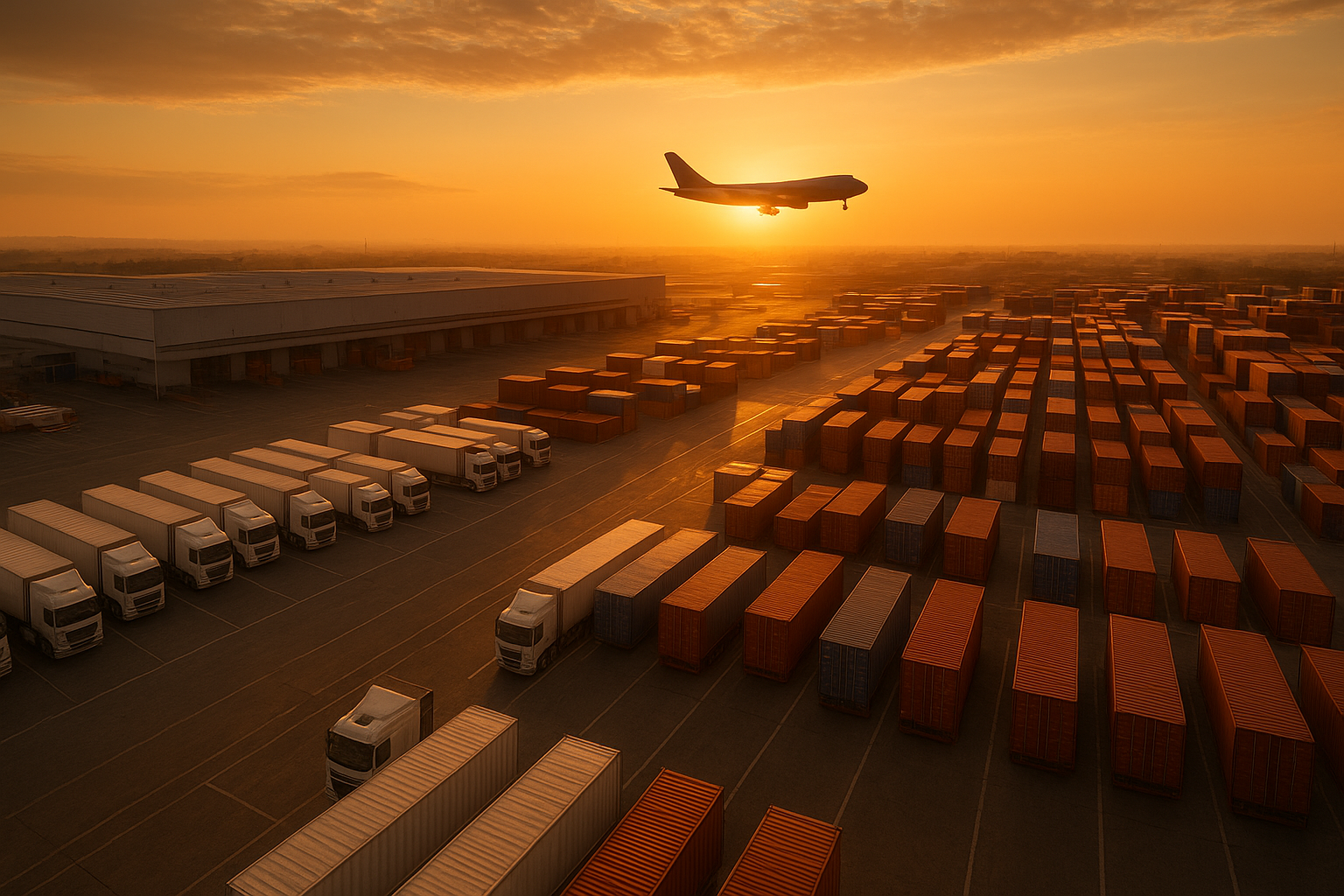
Logistics is the process of planning, coordinating, and moving goods from origin to destination in the most efficient way possible. For shippers and carriers alike, logistics determines whether freight arrives on time, within budget, and without damage. In today’s fast-moving supply chains, effective logistics management touches everything from warehousing and customs clearance to last-mile delivery. This guide breaks down what logistics really means, why it matters, and how partnering with an experienced freight broker like Freight-Tec can simplify the process.
Quick Answer: Logistics is the coordinated management of transportation, warehousing, inventory, and information flow needed to move goods efficiently from suppliers to end customers. Strong logistics reduces costs, shortens delivery times, and keeps supply chains resilient.
What Is Logistics?
Logistics is the detailed coordination of moving, storing, and tracking goods so they reach the right place at the right time. In particular, it covers transportation planning, warehousing, inventory control, and the information systems that tie these activities together. As defined by Wikipedia’s overview of logistics, the discipline originated in military supply operations before becoming central to modern commerce.
Today, logistics extends far beyond simply hauling a load from point A to point B. Instead, it involves route optimization, customs paperwork for cross-border freight, and real-time visibility so shippers always know where their cargo stands.
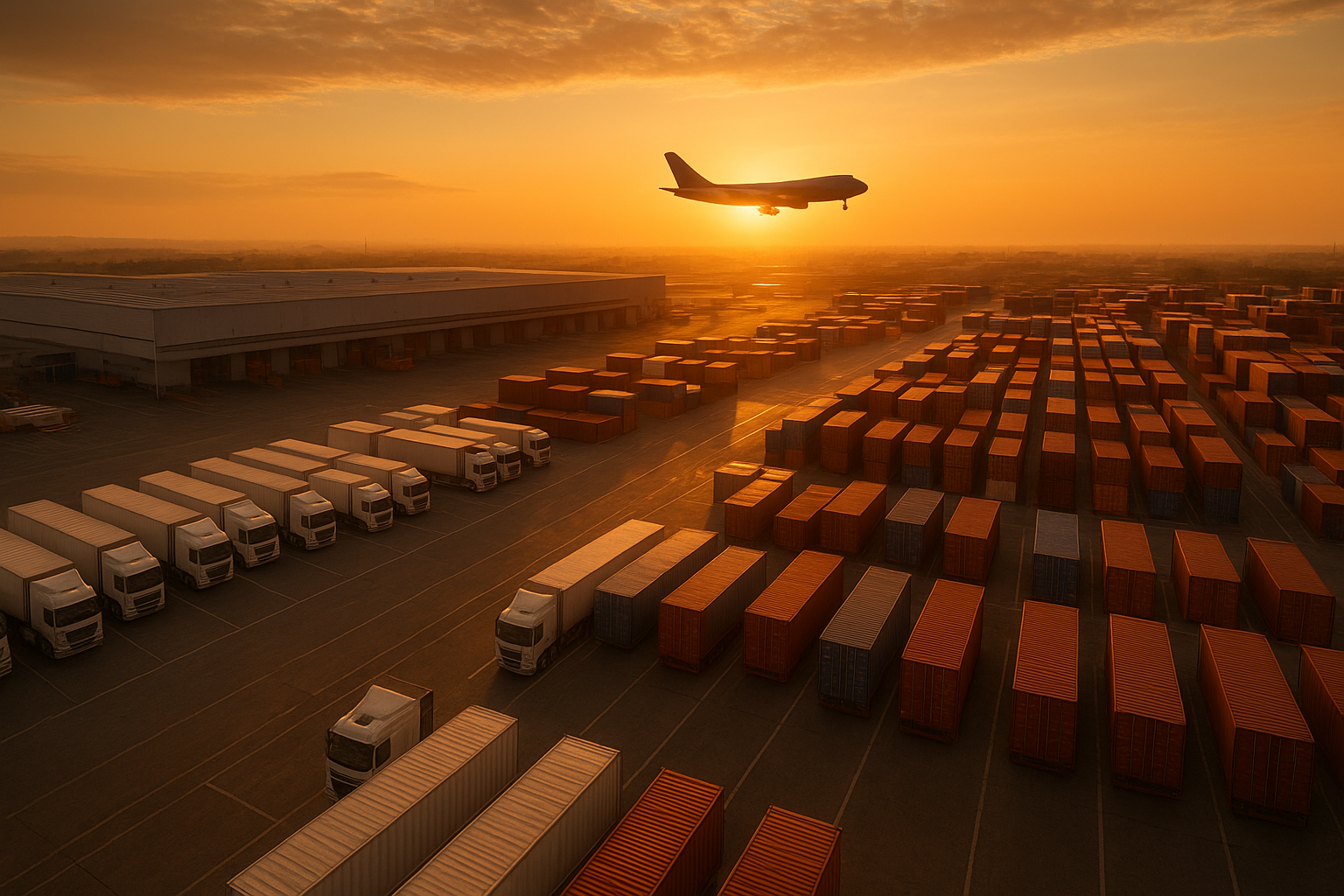
Efficient logistics networks connect trucks, ships, and planes to keep freight moving smoothly.
Why Logistics Matters for Modern Supply Chains
Above all, logistics matters because it directly affects a company’s bottom line and customer satisfaction. For example, trucks moved the vast majority of U.S. freight tonnage in recent years, according to data tracked by the Bureau of Transportation Statistics. Consequently, even small inefficiencies in trucking logistics can ripple through entire supply chains, causing delays and higher costs.
Furthermore, poor logistics planning can lead to stockouts, missed delivery windows, and damaged customer relationships. In contrast, businesses that treat logistics as a strategic priority tend to build more resilient, cost-effective operations that can absorb disruptions like weather events or capacity shortages.
Key Components of Logistics Management
Logistics management is built from several interconnected pieces. Specifically, transportation, warehousing, and information flow all have to work together, or the entire chain slows down.
Transportation and Freight Movement
Transportation is often the most visible part of logistics. It includes truckload freight, LTL (less-than-truckload, meaning a shipment too small to fill an entire trailer), drayage (short-distance trucking of containers, typically between ports and warehouses), and intermodal transport, which moves cargo across multiple modes such as rail and truck without unloading it in between. Similarly, refrigerated and heavy haul freight require specialized equipment to protect sensitive or oversized cargo.
Warehousing and Distribution
Warehousing keeps goods safe and organized until they’re needed. In addition, good distribution planning ensures inventory is positioned close to demand, which shortens delivery times and reduces the risk of stockouts during peak seasons.
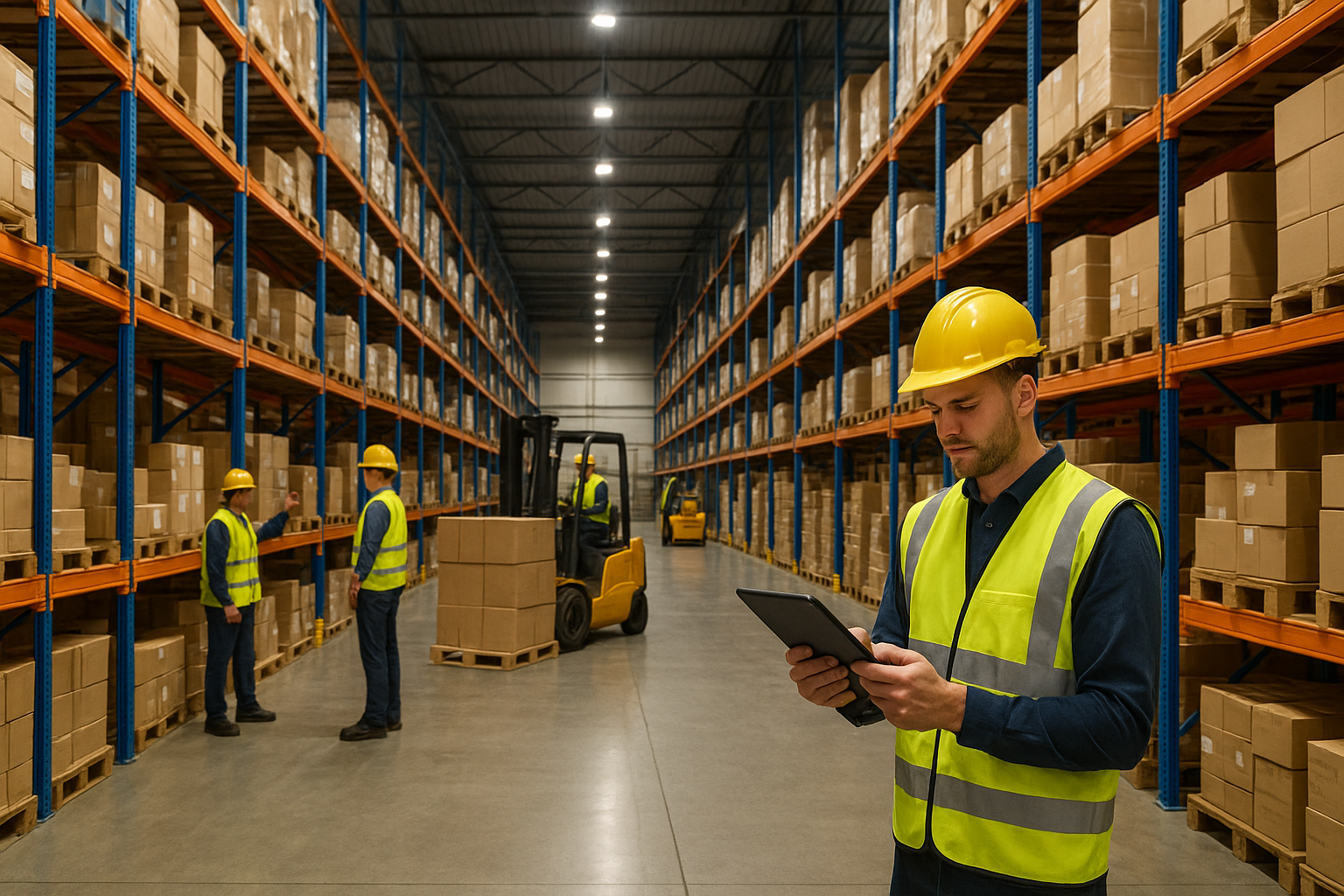
Warehousing and inventory control are core pillars of effective logistics management.
How Freight Brokers Support Logistics Operations
Freight brokers act as the connective tissue between shippers and carriers, which is why they play such a central role in logistics. Rather than negotiating with dozens of individual trucking companies, a shipper works with one broker who sources qualified capacity across truckload, flatbed, LTL, drayage, refrigerated, intermodal, heavy haul, expedited, air, and international freight. For instance, Freight-Tec connects shippers across the U.S., Canada, and Mexico with vetted carriers, and its recognition as a top 100 freight broker by TIA and Inc. Magazine reflects the kind of due diligence shippers should expect from a logistics partner.
Carriers benefit too. Brokers that offer Quick Pay options, standard 28-day payment terms, and dedicated agent support make it easier for trucking companies to find consistent freight. Readers researching this side of the business may find it useful to review guidance on how carriers can find freight from shippers.
Common Challenges in Logistics Today
Despite advances in technology, logistics still faces real obstacles. Capacity shortages, rising fuel costs, and driver shortages remain persistent issues across the trucking industry. Regulatory oversight from agencies such as the Federal Motor Carrier Safety Administration also adds compliance requirements that shippers and carriers must navigate carefully.
As a result, many companies now rely on third-party logistics providers to manage these complexities. Therefore, choosing a broker with strong carrier vetting, adequate bonding, and insurance coverage has become a critical part of risk management.
Step-by-Step: How to Optimize Your Logistics Process
Improving logistics doesn’t happen overnight, but a structured approach helps. Consider the following steps:
- Audit current shipping needs: Audit your current shipment volumes, common freight lanes, and seasonal demand patterns so you understand exactly what capacity and equipment types your logistics operation truly requires.
- Partner with a vetted freight broker: Partner with a vetted freight broker who can access a wide carrier network, negotiate competitive rates, and provide dedicated support for tracking and problem-solving.
- Implement tracking technology: Implement tracking and data software that gives real-time visibility into shipment status, delivery times, and potential delays across every lane you operate.
- Review carrier performance: Review carrier performance regularly using on-time delivery rates, damage claims, and communication responsiveness to keep only reliable partners in your logistics network.
- Build contingency plans: Build contingency plans for peak seasons or disruptions by pre-qualifying backup carriers and diversifying transportation modes such as truckload, intermodal, and expedited freight.
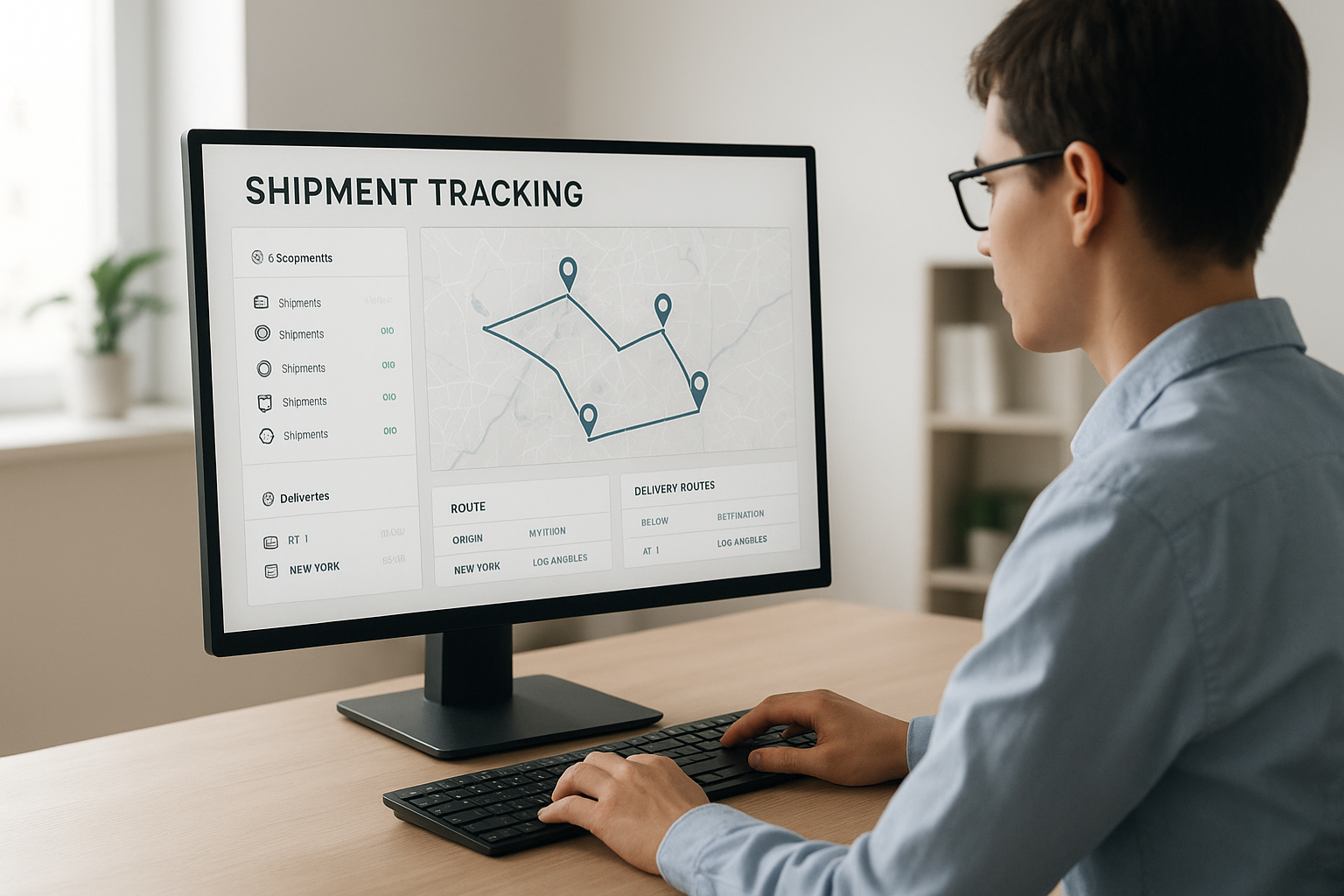
Real-time tracking technology helps logistics teams monitor shipments from pickup to delivery.
Choosing the Right Logistics Partner
Selecting a logistics partner is one of the most consequential decisions a shipper makes. In particular, look for bonding, insurance, and a documented carrier vetting process. Freight-Tec, headquartered in Bountiful, Utah, carries Professional Errors & Omissions Insurance along with a $100,000 broker bond and a $100,000 Military Bond through SDDC, having been vetted by Homeland Security to haul sensitive U.S. Military freight.
Membership in NASTC’s “Best Broker” program, reserved for the top 5% of brokers nationally, along with TIA Performance Certified status, further signals a commitment to reliable service. Agents looking to grow their own book of business may also benefit from tips on expanding customer relationships as a freight agent. Before signing on with any broker, it’s worth reviewing standard terms and conditions to understand payment terms and liability coverage.
Frequently Asked Questions About Logistics
What is logistics?
Logistics is the coordinated process of planning, transporting, storing, and tracking goods as they move from origin to final destination. It includes transportation, warehousing, inventory control, and the information flow that keeps supply chains running smoothly.
How does logistics differ from supply chain management?
Logistics focuses specifically on moving and storing goods, while supply chain management is broader and includes sourcing, manufacturing, and supplier relationships. In short, logistics is one critical piece of the larger supply chain puzzle.
Why is logistics important for businesses?
Efficient logistics reduces shipping costs, shortens delivery times, and prevents inventory shortages. As a result, businesses that invest in strong logistics management often see higher customer satisfaction and fewer supply chain disruptions.
How much does logistics management typically cost?
Costs vary widely depending on freight volume, distance, and service type, but logistics expenses often range from 8% to 15% of a company’s total revenue. Working with an experienced freight broker can help control these costs through better rate negotiation.
How long does it take to set up a reliable logistics network?
Building a dependable carrier network can take a few weeks to several months, depending on freight complexity. However, partnering with an established freight broker gives shippers immediate access to a pre-vetted carrier base.
What are common logistics mistakes companies make?
Common mistakes include underestimating lead times, failing to vet carriers properly, and relying on a single mode of transportation. These errors often lead to delays, damaged freight, and higher costs.
What are best practices for efficient logistics?
Best practices include diversifying carrier relationships, using real-time tracking technology, and reviewing performance data regularly. In addition, maintaining clear communication with carriers and customers helps prevent costly misunderstandings.
How do freight brokers support logistics operations?
Freight brokers connect shippers with qualified carriers, negotiate rates, and manage documentation and tracking on the shipper’s behalf. Consequently, businesses save time and gain access to broader carrier capacity than they could secure alone.
What types of freight does logistics cover?
Logistics covers nearly every freight type, including truckload, LTL, flatbed, refrigerated, drayage, intermodal, and international freight. Each type requires different equipment and handling procedures.
What is third-party logistics (3PL)?
Third-party logistics, or 3PL, refers to outsourcing logistics functions such as transportation, warehousing, and fulfillment to an external provider. Many shippers use 3PL partners like freight brokers to reduce overhead and improve efficiency.
How can technology improve logistics?
Technology improves logistics through real-time GPS tracking, automated dispatch, and data analytics that predict delays before they happen. As a result, companies can make faster decisions and keep customers better informed.
How do I choose the right logistics partner?
Look for a partner with a proven track record, proper insurance and bonding, and a wide carrier network across your required freight types. Above all, choose a broker who offers transparent communication and dedicated support throughout the shipping process.
In summary, logistics is far more than moving boxes from one place to another. It’s a coordinated system of transportation, warehousing, and information flow that determines whether businesses meet customer expectations affordably and on time. Whether you’re a shipper trying to reduce freight spend or a carrier searching for consistent loads, understanding logistics is the foundation for smarter decisions. Partnering with an established, well-vetted broker such as Freight-Tec can turn complex logistics challenges into a competitive advantage.