
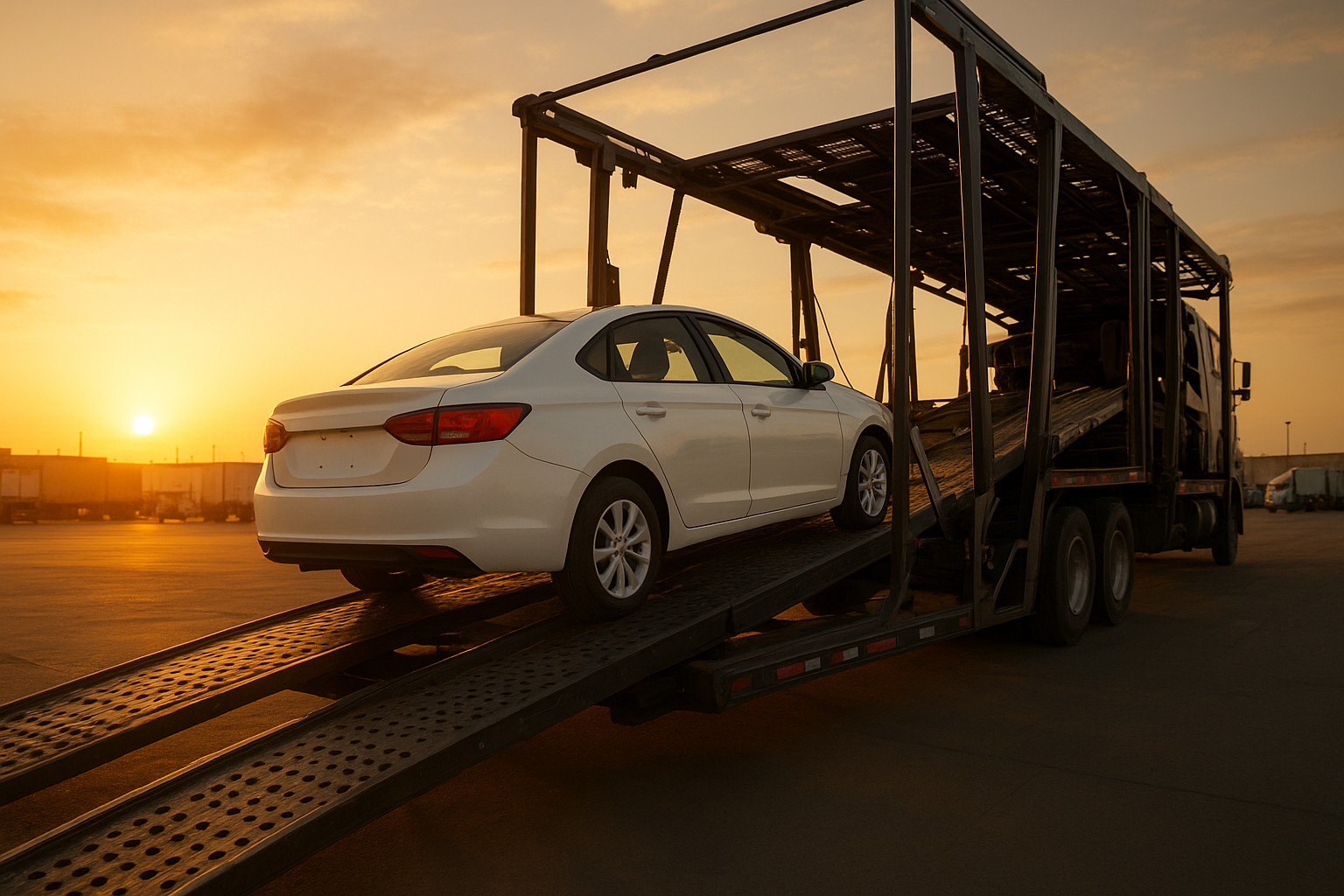
Car shipping is the process of moving a vehicle from one location to another on a professional carrier truck instead of driving it yourself. Whether you’re relocating across the country, buying a vehicle from an out-of-state dealer, or managing fleet vehicles for a business, understanding how car shipping works can save considerable time and money. This guide walks through the types of transport available, typical costs, and the steps involved in booking a safe, reliable shipment, whether you’re a first-time shipper or an experienced logistics manager. Companies such as Freight-Tec arrange these moves daily for shippers across the U.S., Canada, and Mexico.
Quick answer: Car shipping means hiring a licensed carrier to transport your vehicle on a trailer, rather than driving it yourself. Costs typically range from a few hundred dollars locally to $1,500+ cross-country, with delivery usually taking one to seven days depending on distance.
What Is Car Shipping?
Car shipping is the transportation of a vehicle, such as a car, truck, motorcycle, or SUV, by a professional carrier using a specialized trailer rather than the owner driving it. In most cases, the process involves booking a carrier directly or through a freight broker, scheduling a pickup window, and having the vehicle delivered to a specified address or terminal. This method is widely used for long-distance moves, online vehicle purchases, dealership transfers, and seasonal relocations such as snowbirds heading south for winter.
Unlike driving the vehicle yourself, car shipping reduces mileage, wear, and the risk of accidents on long trips. Carriers typically use open trailers, similar to those seen hauling new vehicles from factories, or enclosed trailers that fully protect the vehicle from weather and road debris. As a result, shippers can choose the level of protection that matches their vehicle’s value and their budget.
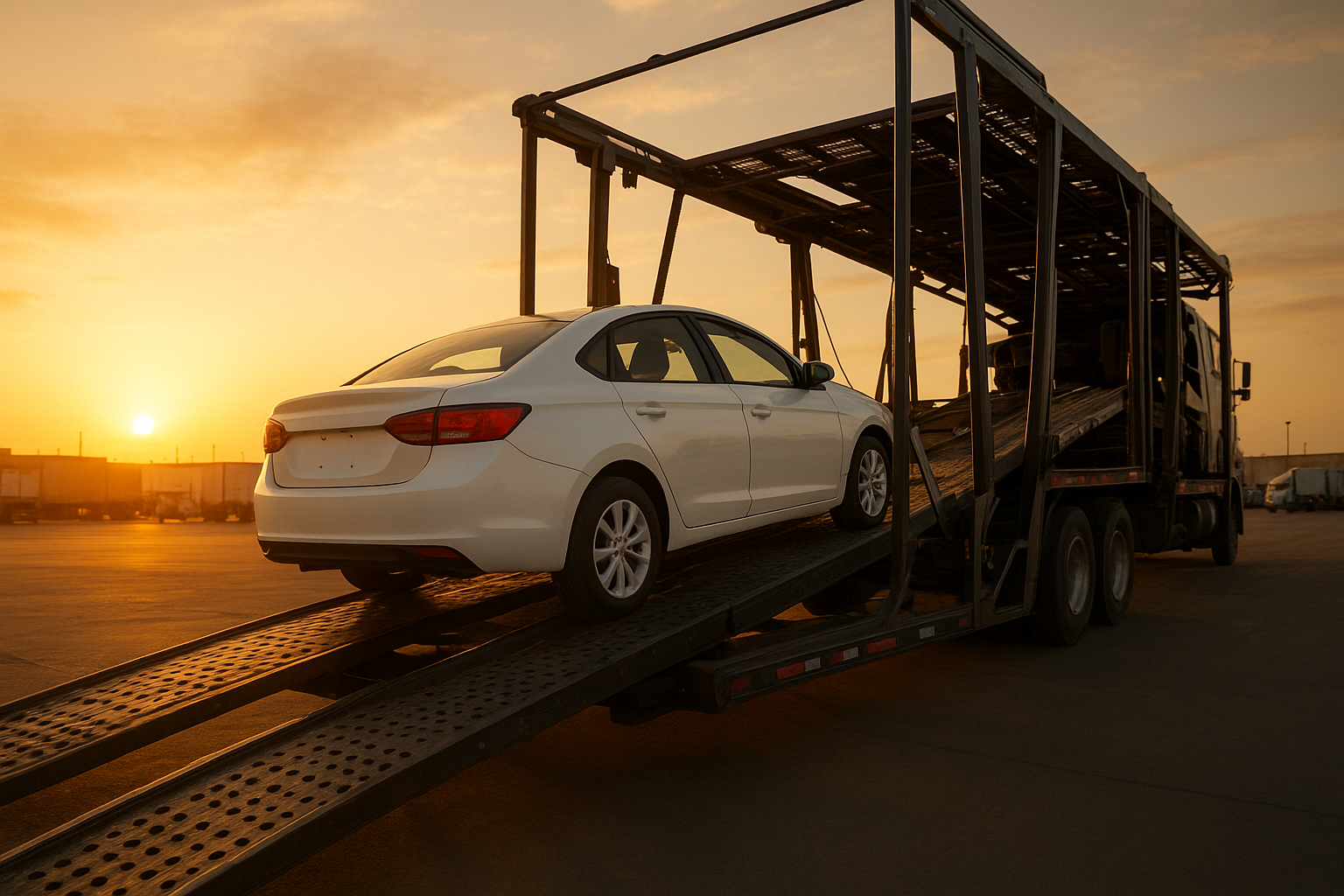
Car shipping typically begins with loading the vehicle onto an open or enclosed carrier trailer.
How Does Auto Transport Work?
Auto transport, another term for car shipping, generally follows a predictable sequence from quote to delivery. First, the shipper requests a quote based on vehicle type, distance, and pickup and delivery locations. Next, a carrier or broker confirms availability and schedules a pickup window, which is usually a one- to three-day range rather than an exact time.
Once the carrier arrives, both parties complete a Bill of Lading, a document that records the vehicle’s condition before loading. This paperwork protects the shipper if damage occurs during transit. Similarly, the carrier documents the vehicle’s condition again at delivery, and the shipper signs off once satisfied.
In particular, brokers play an important role in this workflow. Rather than shippers contacting dozens of individual carriers, a broker matches the shipment with a vetted carrier from its network, negotiates rates, and manages communication throughout the move. This reduces the legwork required from the shipper and adds a layer of accountability, since brokers are typically bonded and insured. According to the Federal Motor Carrier Safety Administration, more than 500,000 active interstate motor carriers are registered in the United States, which underscores why careful vetting matters. Learn how to choose a reliable broker for better protection and service.
Types of Vehicle Shipping Services
Not all vehicle shipping services are the same. Depending on the vehicle’s value, the shipper’s budget, and the delivery timeline, several transport options are available to consider before booking.
Open Transport vs Enclosed Transport
Open transport uses multi-level trailers similar to those seen delivering new cars to dealerships. It’s the most common and affordable option, though vehicles are exposed to weather and road debris during the trip. Enclosed transport, on the other hand, fully covers the vehicle in a trailer, offering added protection that’s popular for classic, luxury, or high-value vehicles. As a result, enclosed shipping typically costs 30 to 60 percent more than open transport.
| Factor | Open Transport | Enclosed Transport |
|---|---|---|
| Cost | Lower | 30-60% higher |
| Weather protection | None | Full coverage |
| Best for | Standard vehicles | Luxury, classic, high-value cars |
Door-to-Door vs Terminal-to-Terminal Delivery
Door-to-door service means the carrier picks up and delivers as close to the specified addresses as legally possible, which is the most convenient option for most shippers. Terminal-to-terminal service, in contrast, requires dropping off and picking up the vehicle at a storage facility, which can lower costs but adds extra steps. Consequently, shippers with tight schedules or easily accessible addresses usually prefer door-to-door delivery.
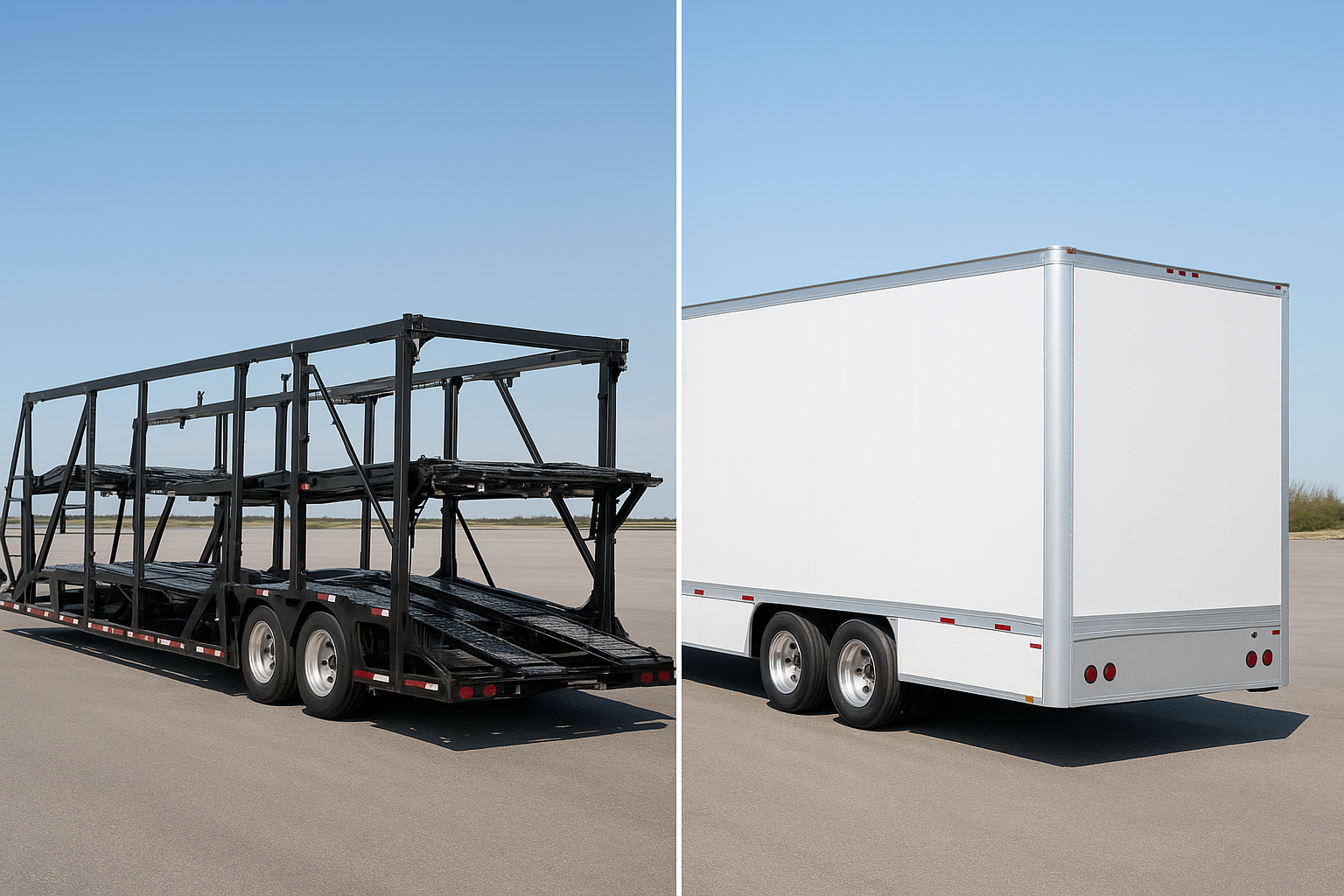
Open and enclosed trailers offer different levels of protection for vehicle shipping.
How to Ship Your Car in 6 Simple Steps
Booking a shipment doesn’t have to be complicated. The following steps outline the typical process, from requesting a quote to accepting delivery.
- Research and compare providers. Request quotes from multiple carriers or brokers, and check for proper licensing, insurance, and reviews before committing to a shipment.
- Choose your transport method. Decide between open or enclosed trailers and door-to-door or terminal delivery based on your vehicle’s value and schedule.
- Book your shipment. Confirm pickup and delivery dates, provide vehicle details, and review the contract terms, including payment and cancellation policies.
- Prepare your vehicle. Clean the car, remove personal belongings, disable alarms, and photograph existing damage for your records before pickup day.
- Complete the inspection and Bill of Lading. Walk around the vehicle with the driver, noting any existing damage on the paperwork before it’s loaded onto the trailer.
- Inspect and accept delivery. Compare the vehicle’s condition against the Bill of Lading at drop-off, and only sign once you’re satisfied everything matches.
What Does Car Shipping Cost?
Car shipping costs vary widely based on distance, vehicle size, transport type, and seasonal demand. Short regional moves might cost a few hundred dollars, while cross-country shipments often range from $800 to $1,500 or more for standard sedans on open trailers.
Several factors influence the final price. Distance matters, but so does the route; shipments along busy corridors tend to cost less per mile than remote or rural routes. Vehicle size and weight also affect price, since larger trucks and SUVs take up more trailer space. Enclosed transport commands a premium because it requires specialized trailers and lower-volume, higher-care carriers.
Timing plays a role too. Demand often spikes during spring and early summer as families relocate for the school year, which can push rates higher during those months. Booking a few weeks in advance and remaining flexible on pickup dates, therefore, often results in better pricing. For an accurate estimate on your specific shipment, requesting a free shipper rate quote is the most reliable way to compare options.
Choosing a Reliable Auto Transport Company
Selecting the right provider matters as much as the price quoted. Above all, verify that a company is properly licensed with the FMCSA and carries active cargo insurance.
In addition, look for a broker bond, since federal regulations require freight brokers to maintain a minimum bond, which provides financial protection if something goes wrong. Reading verified customer reviews, checking industry recognitions, and confirming clear communication practices are also useful signs of reliability. For example, brokers recognized by the Transportation Intermediaries Association (TIA) have typically met stricter performance and compliance standards than unvetted competitors.
Freight-Tec, headquartered in Bountiful, Utah, has been recognized as a top 100 freight broker by TIA and Inc. Magazine, and maintains TIA Performance Certified status along with Professional Errors and Omissions insurance and a $100,000 broker bond. These credentials, combined with a nationwide network of vetted carriers, give shippers added confidence when arranging vehicle transport across the U.S., Canada, and Mexico. Shippers who want to compare options can review the freight shipping guide or connect directly with a dedicated agent.
Mistakes to Avoid When Shipping a Vehicle
Even experienced shippers can run into avoidable problems. One common mistake is choosing a provider based on price alone without confirming licensing or insurance, which can leave a shipper unprotected if damage occurs.
Another frequent error is failing to document the vehicle’s condition thoroughly before pickup. Without clear photos and a detailed Bill of Lading, disputing damage claims becomes difficult. Similarly, ignoring cancellation policies or deposit terms can result in unexpected fees if plans change.
Scams are also a real risk in the auto transport industry. Some brokers use bait-and-switch pricing, quoting a low rate and then raising it once a shipper is committed. Learning how to spot red flags, such as pressure to pay large deposits or vague answers about carrier assignment, can help shippers avoid costly mistakes. Freight-Tec’s guide on avoiding common shipping scams offers additional guidance on protecting yourself before booking.
Why Work With a Freight Broker for Car Shipping
Working with a freight broker offers advantages beyond simply finding a truck. Brokers like Freight-Tec maintain a vetted network of qualified carriers, which means shippers don’t have to individually research and negotiate with dozens of trucking companies.
Furthermore, brokers absorb much of the administrative burden, including paperwork, carrier vetting, and claims coordination if damage occurs. Freight-Tec’s carriers are vetted through a stringent qualification process, and the company is backed by Professional Errors and Omissions Insurance and a $100,000 broker bond, giving shippers an added layer of protection. Carriers looking to add vehicle transport lanes to their business can also learn how to find reliable carriers and win more freight through proven outreach tactics.
The broader freight industry is also evolving quickly, with capacity, fuel costs, and regulations shifting from year to year. Staying informed about these changes, as outlined in resources covering current transportation industry trends, helps shippers and carriers alike make smarter decisions about timing and budget for their shipments.

Freight brokers coordinate car shipping orders with vetted carriers from pickup through delivery.
Frequently Asked Questions About Car Shipping
What is car shipping?
Car shipping is the transportation of a vehicle by a professional carrier on a truck or trailer, rather than driving it to its destination. It’s commonly used for long-distance moves, online vehicle purchases, and dealership transfers.
How much does car shipping cost?
Costs typically range from a few hundred dollars for short regional moves to $800-$1,500 or more for cross-country shipments on open trailers. Distance, vehicle size, transport type, and season all affect the final price.
How long does car shipping take?
Most domestic shipments take between one and seven days depending on distance, with cross-country moves generally taking four to seven days. Weather, route congestion, and carrier availability can affect delivery windows.
What is the difference between open and enclosed car shipping?
Open transport uses multi-level trailers exposed to weather and is the most affordable option. Enclosed transport fully covers the vehicle for added protection, typically at a 30 to 60 percent higher cost.
Is car shipping safe for my vehicle?
Yes, when using a licensed, insured carrier, car shipping is generally safe, and professional drivers are trained to load and secure vehicles properly. Choosing a reputable broker and reviewing the Bill of Lading further reduces risk.
How do I prepare my car for shipping?
Clean the vehicle, remove personal items, disable the alarm, and photograph its current condition from multiple angles before pickup. This documentation helps resolve any disputes if damage occurs during transit.
What is door-to-door car shipping?
Door-to-door car shipping means the carrier picks up and delivers the vehicle as close to the specified addresses as legally possible, rather than requiring a terminal drop-off. It’s the more convenient option for most shippers.
Can I ship a car that doesn’t run?
Yes, many carriers can transport non-running vehicles, but this typically requires special equipment like a winch and should be disclosed when requesting a quote. Expect a higher rate for inoperable vehicle shipments.
What insurance covers my car during shipping?
Carriers are required to carry cargo insurance that covers damage during transit, and reputable brokers often provide additional coverage. Shippers should confirm coverage limits and ask for proof of insurance before booking.
How do I choose a reliable car shipping company?
Look for FMCSA licensing, active insurance, a broker bond, and verified customer reviews before booking. Recognitions from industry groups, such as TIA Performance Certification, are additional signs of a trustworthy provider.
What common mistakes should I avoid when shipping a vehicle?
Avoid choosing a provider based on price alone, skipping vehicle condition documentation, and ignoring cancellation or deposit terms. Watch for bait-and-switch pricing, which is a common scam tactic in the industry.
Do I need to be present for pickup and delivery?
You or an authorized representative should be present to complete the inspection and sign the Bill of Lading at both pickup and delivery. This step protects you if a damage claim needs to be filed later.
What’s the difference between a broker and a carrier for car shipping?
A carrier owns and operates the truck that physically transports the vehicle, while a broker arranges the shipment by matching shippers with vetted carriers. Brokers like Freight-Tec manage paperwork, pricing, and communication throughout the process.
Can I ship a car internationally?
Yes, international car shipping is available through providers with customs clearance and cross-border experience, such as those handling freight between the U.S., Canada, and Mexico. International shipments typically require additional documentation and longer transit times.
Final Thoughts on Shipping Your Vehicle
Car shipping doesn’t have to be stressful once you understand the process, costs, and options available. In summary, comparing providers, choosing the right transport type, and preparing your vehicle properly all contribute to a smoother experience. Above all, working with a licensed, well-reviewed broker or carrier reduces risk and adds accountability if something goes wrong.
Whether you’re an individual relocating a personal vehicle or a business managing multiple shipments, taking time to vet your provider pays off. The team at Freight-Tec can help you request a free shipper rate quote and get your next car shipping project moving with confidence.