
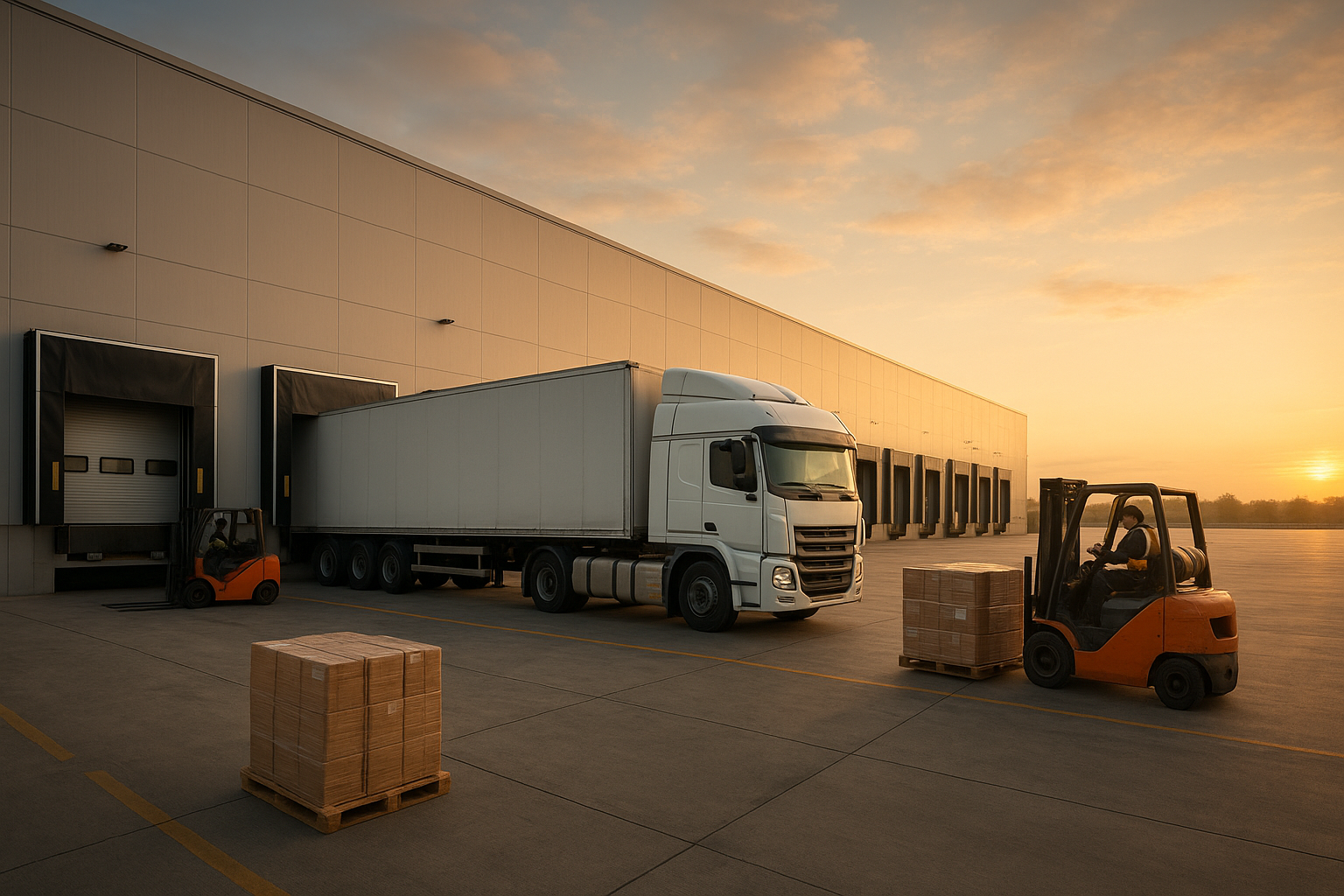
Freight shipping is the process of transporting goods in bulk—by truck, rail, air, or ocean—from a shipper’s origin point to a final destination, and it forms the backbone of nearly every supply chain in North America. Whether your business moves a single pallet or a full truckload of automotive parts, understanding how freight shipping works can save you real time and money. In this guide, we break down the types of freight shipping, what drives pricing, and how to choose a dependable partner. For companies ready to compare options now, requesting a free shipper rate quote is often the fastest way to see current market pricing.
Quick answer: Freight shipping moves large, palletized, or containerized goods using trucks, trains, ships, or planes, typically arranged through a carrier or a freight broker who matches shippers with qualified transportation providers. Costs depend on weight, distance, freight class, and current market capacity.
What Is Freight Shipping?
Freight shipping refers to moving commercial quantities of goods that are too large or heavy for standard parcel carriers. Instead, shipments travel on pallets, in crates, or inside containers aboard trucks, railcars, ships, or cargo planes. In particular, freight shipping covers everything from a single pallet of retail goods to multiple truckloads of automotive components moving between manufacturing plants.
Consequently, businesses rely on freight shipping whenever order volume outgrows what a small package carrier can efficiently handle. As a result, industries such as manufacturing, retail, agriculture, and automotive depend on organized freight networks daily to keep production lines and store shelves stocked.
How Does Freight Transportation Work?
Freight transportation generally begins when a shipper contacts a carrier or broker with load details, including weight, dimensions, and pickup location. Afterward, the broker or carrier assigns equipment, schedules pickup, and issues a bill of lading, the legal document that accompanies the shipment.
During transit, the freight may move directly by one truck or, in the case of intermodal freight, switch between rail and truck to cover long distances efficiently. Once the load arrives, the receiver signs the delivery paperwork, which confirms the shipment was received in good condition. According to the Wikipedia overview of freight transport, trucking remains the dominant mode for domestic freight movement in the United States because of its flexibility and door-to-door service.
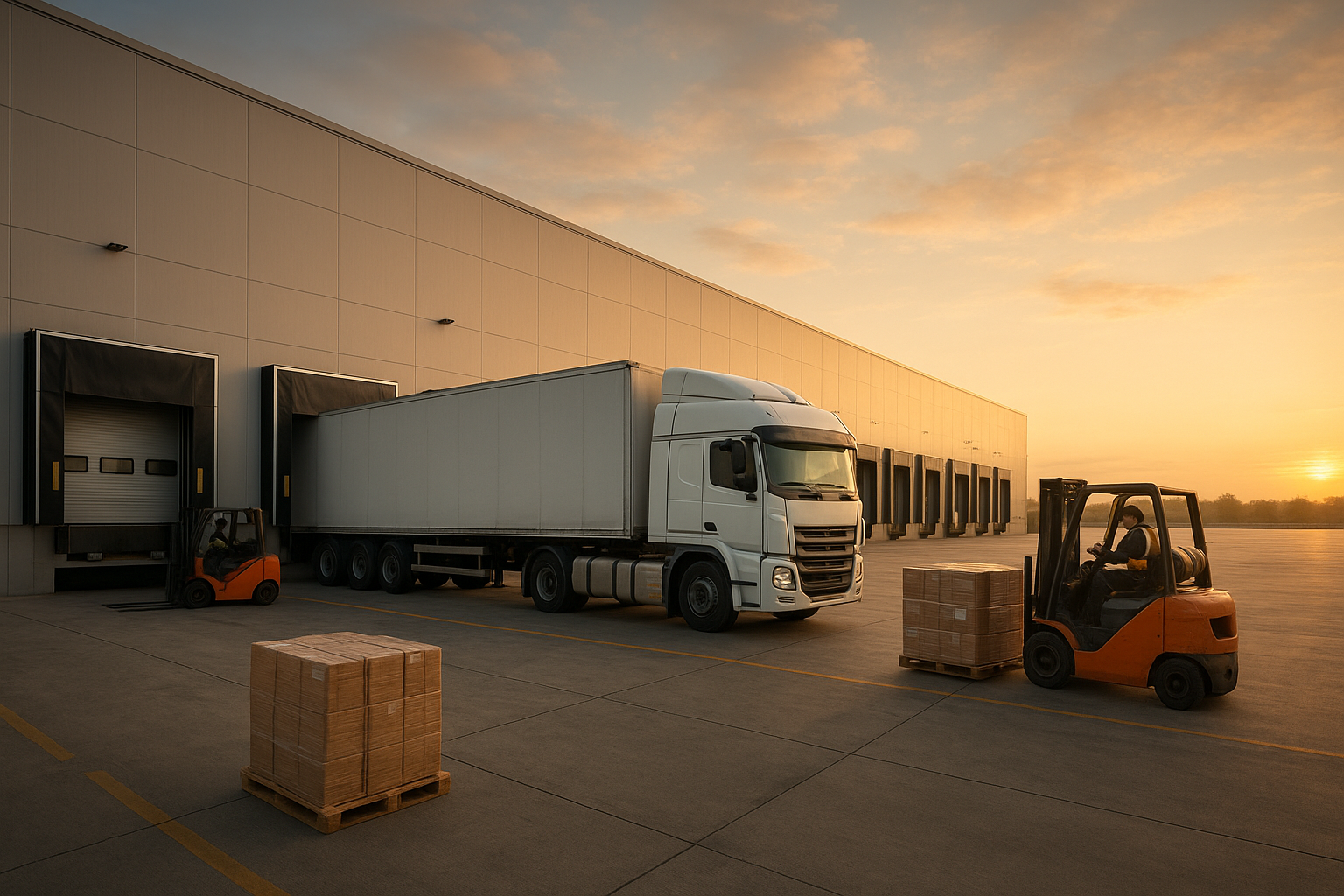
Efficient loading and documentation keep freight shipping schedules on time.
Types of Freight Services for Shippers and Carriers
Not every shipment fits the same mold, so freight services span several distinct categories. Understanding these options helps shippers choose the right fit for their cargo, budget, and timeline.
- Full truckload (FTL): One shipment fills an entire trailer, offering faster, more direct transit for larger loads, including van, flatbed, and specialized equipment.
- Less-than-truckload (LTL): Smaller shipments share trailer space with other freight, which lowers cost for lighter loads.
- Refrigerated freight: Temperature-controlled trailers protect perishable goods like food and pharmaceuticals.
- Drayage and intermodal: Short-haul moves connect ports, rail yards, and warehouses, often paired with rail transport for long distances.
- Heavy haul and expedited freight: Oversized equipment or time-critical shipments require specialized permits or dedicated fast-transit service.
- Air and international freight: Urgent or cross-border shipments move by air cargo or ocean container, often requiring customs clearance.
Shippers moving automotive parts, in particular, often combine several of these service types, using expedited truckload for just-in-time parts and standard LTL for lower-priority inventory. Companies exploring their options can review available shipper services to see which service level matches their freight profile.
How to Choose a Reliable Freight Shipping Partner
Choosing the right partner matters just as much as choosing the right service type. Above all, a dependable choose a reliable broker should demonstrate proper licensing, insurance, and a track record of on-time delivery. The following steps outline a practical approach.
- Gather the weight, dimensions, freight class, and pickup and delivery locations for your shipment before requesting quotes, since accurate details prevent price disputes later.
- Request rate quotes from several brokers or carriers and compare transit times, service levels, and total cost rather than price alone to find the best overall value.
- Confirm that any carrier or broker holds active operating authority, adequate cargo insurance, and a solid safety record through FMCSA safety records before booking a shipment.
- Finalize the booking in writing, confirm pickup and delivery windows, and make sure the bill of lading accurately reflects the freight class and shipment description.
- Monitor the shipment using tracking tools or agent updates, and retain signed delivery documentation in case a claim or dispute arises after the freight arrives.
Brokers that carry Professional Errors & Omissions insurance and a substantial broker bond, for instance, offer an added layer of protection for shippers. Businesses can learn more about vetting standards on the Freight-Tec homepage or by reviewing the carrier registration process used to qualify network partners.

Careful documentation is a key step in every freight shipping transaction.
What Determines Your Shipping Costs?
Freight pricing depends on several interacting factors, and understanding them helps shippers budget accurately. Distance and fuel prices form the baseline, while freight class, density, and special handling requirements adjust the rate up or down.
Seasonal demand also plays a major role. For example, produce season in agricultural regions or peak retail shipping before holidays tightens truck capacity, which pushes rates higher. Similarly, lane imbalances, where more freight moves one direction than the other, can raise costs on the less-traveled return route. Notably, trucking moves roughly 72% of the nation’s freight tonnage, according to industry data compiled by the American Trucking Associations, which means truck capacity swings have an outsized effect on overall freight shipping pricing.
Because of these variables, comparing quotes from more than one source, and working with a broker who has strong carrier relationships, generally produces more competitive and stable pricing over time.
Common Mistakes When Shipping Freight
Even experienced shippers occasionally run into avoidable problems. In particular, misclassifying freight class is one of the most frequent and costly errors, since it can trigger reclassification fees after pickup.
Additionally, skipping insurance verification leaves shippers exposed if a carrier’s coverage falls short of the cargo’s actual value. Poor pallet stacking or inadequate packaging also increases the risk of damage claims. Finally, waiting too long to book during peak season often means paying premium rates or struggling to find available capacity at all.
Shippers looking to avoid these pitfalls can review practical guidance on building stronger shipper and carrier relationships, which helps both sides plan further ahead and reduce last-minute booking pressure.
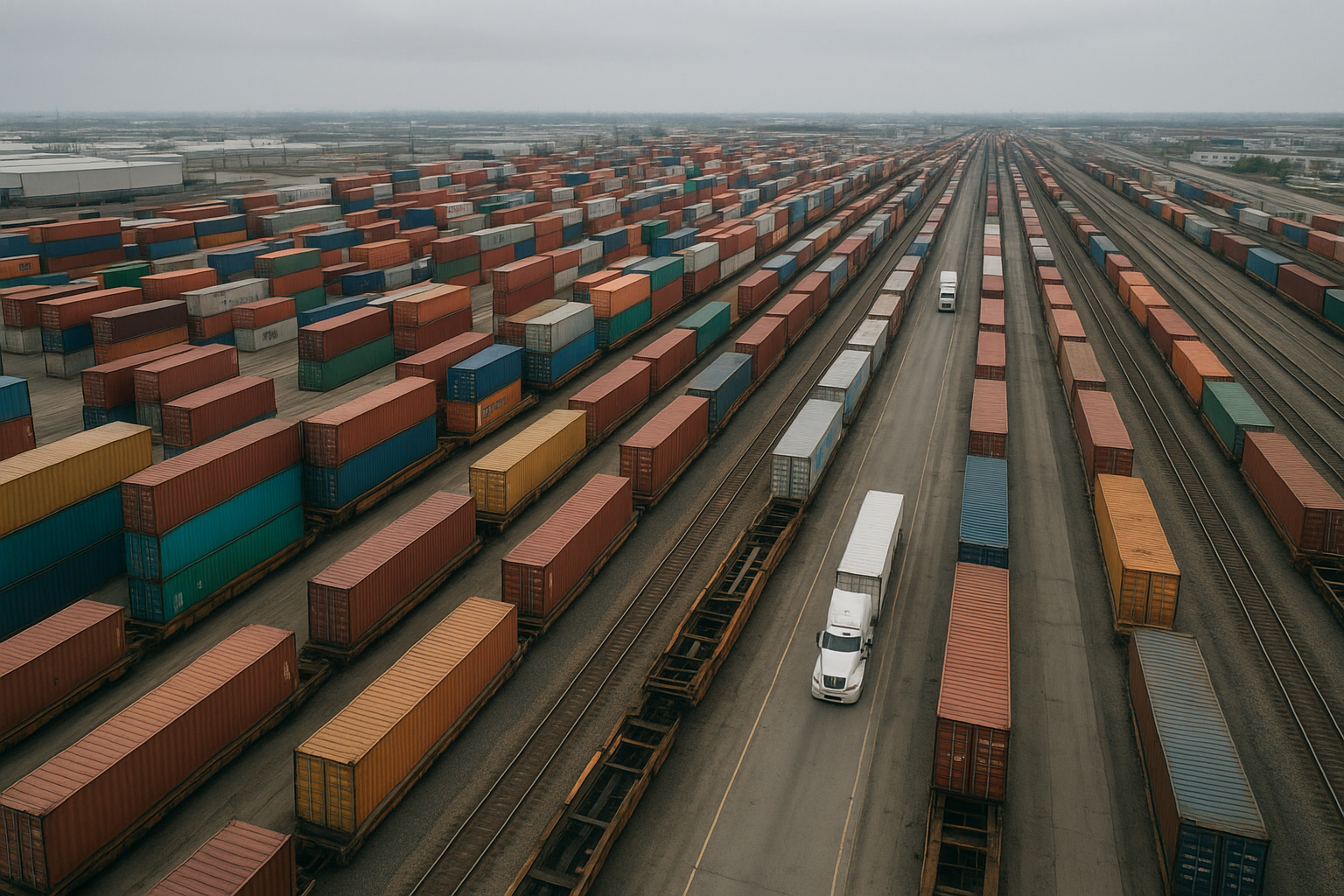
Intermodal yards connect rail and truck freight shipping across long distances.
Frequently Asked Questions About Freight Shipping
What is freight shipping?
Freight shipping is the transportation of large or bulk quantities of goods, typically by truck, rail, ocean, or air, rather than as individual parcels. It usually involves pallets, crates, or containers moved between businesses.
How does freight shipping differ from parcel shipping?
Freight shipping handles larger, heavier shipments that require pallets or specialized equipment, while parcel shipping covers small individual packages sent through carriers like UPS or FedEx. Freight typically moves by truck or rail rather than small delivery vans.
How much does freight shipping cost?
Costs vary widely based on weight, distance, freight class, fuel prices, and equipment type, often ranging from a few hundred to several thousand dollars per load. A direct quote from a broker or carrier is the most accurate way to estimate a specific shipment.
How long does freight shipping take?
Most domestic truckload shipments arrive within one to five business days depending on distance and route. Cross-border or intermodal shipments may take longer due to customs clearance and rail transfer times.
What is the difference between LTL and full truckload freight shipping?
LTL combines multiple shippers’ freight on one trailer, making it cost-effective for smaller loads. Full truckload dedicates an entire trailer to a single shipper, which is faster and better suited to larger volumes.
Why do freight shipping rates fluctuate?
Rates fluctuate because of fuel prices, seasonal demand, available truck capacity, and regional freight imbalances. During peak seasons, rates typically rise as carrier capacity tightens.
What documents are needed for freight shipping?
A standard shipment requires a bill of lading and a packing list, plus a certificate of origin for some cross-border loads. Hazardous materials may require additional permits or declarations.
What is a freight broker and how do they help with freight shipping?
A freight broker connects shippers with qualified carriers, negotiates rates, and manages logistics details so shippers do not have to source capacity themselves. Brokers vet carriers for insurance, safety records, and authority before booking a load.
What common mistakes do shippers make when arranging freight shipping?
Common mistakes include underestimating freight class, failing to verify carrier insurance, and not building in buffer time for delays. Poor packaging or pallet stacking can also lead to avoidable damage claims.
How can I get the best freight shipping rate?
Comparing multiple quotes, booking in advance, and staying flexible on pickup windows generally leads to better rates. Working with an established broker that has strong carrier relationships can also unlock volume discounts.
What is freight class and why does it matter?
Freight class is a standardized classification system that determines pricing based on density, value, and handling requirements. Choosing the correct class avoids reclassification fees and shipment delays.
Is freight shipping insurance necessary?
Yes, because standard carrier liability coverage often falls short of a shipment’s full value. Additional cargo insurance protects shippers against damage, loss, or theft during transit.
How do I track a freight shipment?
Most brokers and carriers provide container tracking showing real-time location and status updates. Dedicated agents can also provide manual status checks for time-sensitive loads.
Final Thoughts on Freight Shipping
Ultimately, successful freight shipping comes down to preparation, clear documentation, and choosing a partner with verified insurance and carrier vetting standards. Whether you are moving refrigerated goods, heavy equipment, or standard truckload freight, following a consistent process reduces cost surprises and delivery delays.
In short, freight shipping does not need to be complicated when shippers understand their options and work with a properly vetted provider. For businesses ready to move forward, Freight-Tec offers vetted carrier networks, Quick Pay options, and dedicated agent support across the U.S., Canada, and Mexico to help simplify the entire process from quote to delivery.