
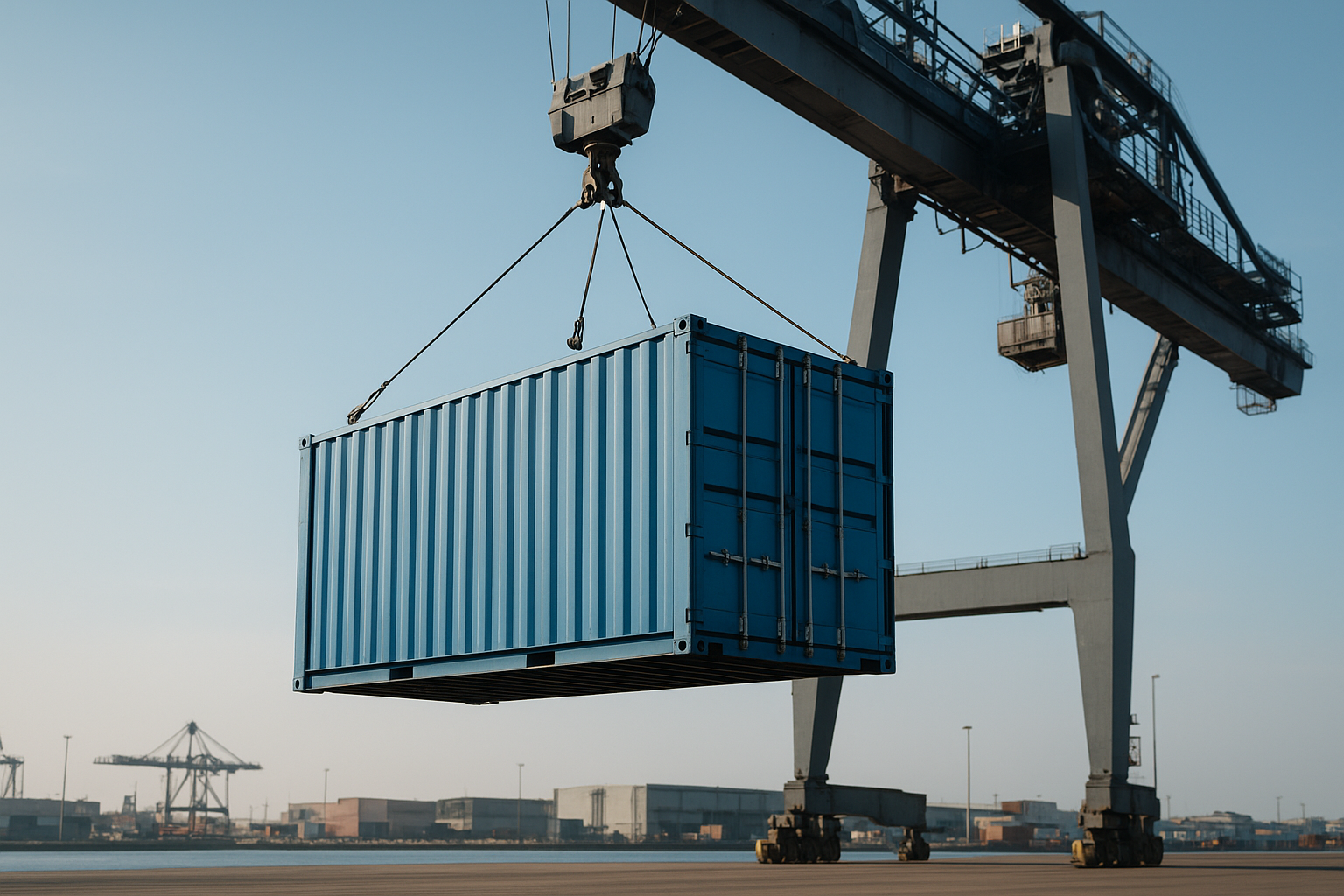
A shipping container is a standardized steel box built to move goods across ships, trains, and trucks without unpacking the cargo at every stop. Freight-Tec uses this technology daily to help shippers move truckload, LTL, drayage, and international freight throughout the U.S., Canada, and Mexico. In fact, according to the United Nations Conference on Trade and Development, containerized cargo now accounts for a large majority of the world’s non-bulk seaborne trade. Consequently, whether you ship automotive parts, retail goods, or heavy equipment, understanding container types, sizes, and costs helps you plan smarter and avoid costly delays. This guide breaks down what today’s shippers and carriers need to know about the modern shipping container.
What Is a Shipping Container?
A shipping container is a rectangular steel box, usually 20 or 40 feet long, engineered to standardized ISO (International Organization for Standardization) dimensions so it transfers between ships, rail cars, and trucks without repacking. It shields cargo from weather, theft, and rough handling during transit. Because it is intermodal, meaning it moves seamlessly between transport modes, the same box can travel by sea, rail, and road within a single journey.
Standardization did not happen by accident. In the 1950s, trucking entrepreneur Malcolm McLean helped popularize the modern container, and the concept later became known as containerization. Before this innovation, dockworkers loaded loose crates and barrels by hand, a slow process prone to damage and theft. Today, the same steel box that leaves a factory in Asia can arrive at a Midwest warehouse without ever being opened. For a deeper technical overview, the intermodal container reference on Wikipedia covers its engineering history in detail.
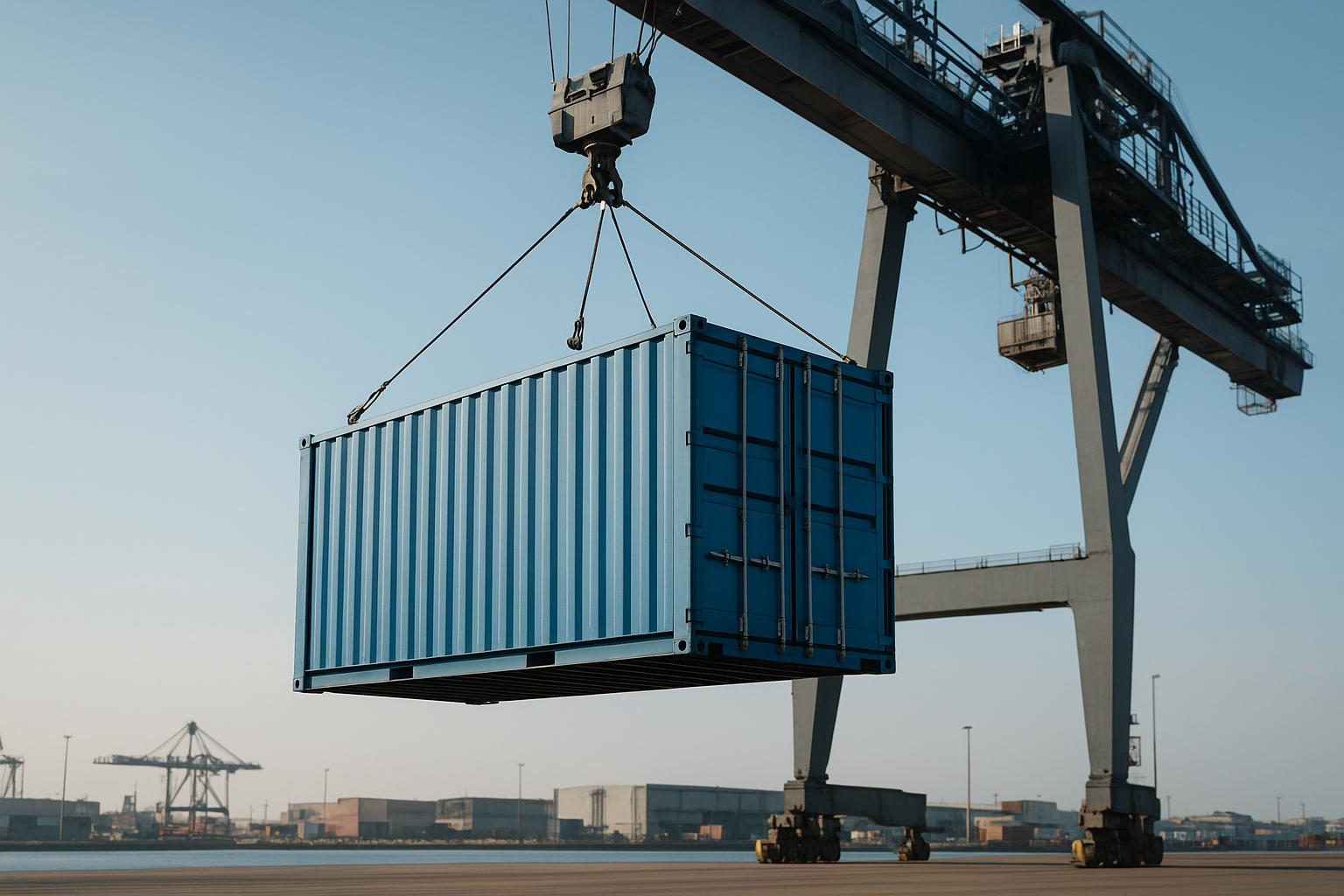
A shipping container being lifted at a port terminal before its next leg of transport.
Types of Freight Containers Used in Global Shipping
Not every cargo container looks the same. In particular, shippers choose a design based on weight, temperature sensitivity, and loading method. The most common freight container types include:
- Standard dry van: the everyday box for palletized or boxed general cargo.
- High cube: a foot taller than standard, ideal for bulky but lightweight freight.
- Refrigerated (reefer): a temperature-controlled box for produce, pharmaceuticals, and frozen goods.
- Open top: removable roof for loading oversized machinery from above.
- Flat rack: collapsible sides for heavy haul or specialized equipment.
- Tank container: built for bulk liquids and chemicals.
As a result, matching cargo to the correct container type prevents damage claims and reduces wasted space. For instance, shipping automotive parts in a standard dry van works well, while heavy machinery often needs a flat rack instead. Freight-Tec’s network handles all of these container types, along with drayage, intermodal, and heavy haul freight, across the U.S., Canada, and Mexico.
Container Sizes and Dimensions Explained
Container capacity is typically measured in TEUs, or twenty-foot equivalent units, a technical term that simply describes how many 20-foot boxes worth of space a shipment occupies. A 40-foot container, for example, counts as two TEUs. Below is a quick breakdown of common sizes:
| Size | Interior Volume | Typical Payload |
|---|---|---|
| 20 ft standard | ~1,170 cubic ft | ~44,500 lbs |
| 40 ft standard | ~2,390 cubic ft | ~44,500 lbs |
| 40 ft high cube | ~2,700 cubic ft | ~44,000 lbs |
| 45 ft high cube | ~3,040 cubic ft | ~43,000 lbs |
Meanwhile, choosing between a 20-foot and 40-foot box often comes down to cost per unit rather than raw capacity. Heavier, denser cargo may max out a 20-foot container’s weight limit long before filling its volume, while lighter, bulkier freight benefits more from the larger 40-foot or high cube options.
How Much Does a Shipping Container Cost?
Shipping container costs vary widely by distance, mode, and season. Domestic drayage moves often run $150 to $600 per haul, while international ocean freight typically ranges from $2,000 to $8,000 or more per container. Rates can spike sharply during peak season or port congestion.
For example, Freight-Tec’s own reporting on recent container rate surges from China showed increases of up to 24% within weeks, driven by equipment shortages and demand spikes. Similarly, the World Shipping Council notes that trade lane imbalances, where more containers leave one region than return, regularly push spot rates higher. Therefore, shippers who lock in rates early or work with an established broker often avoid the worst of these swings. You can request current pricing through Freight-Tec’s free shipper rate quote tool before booking.
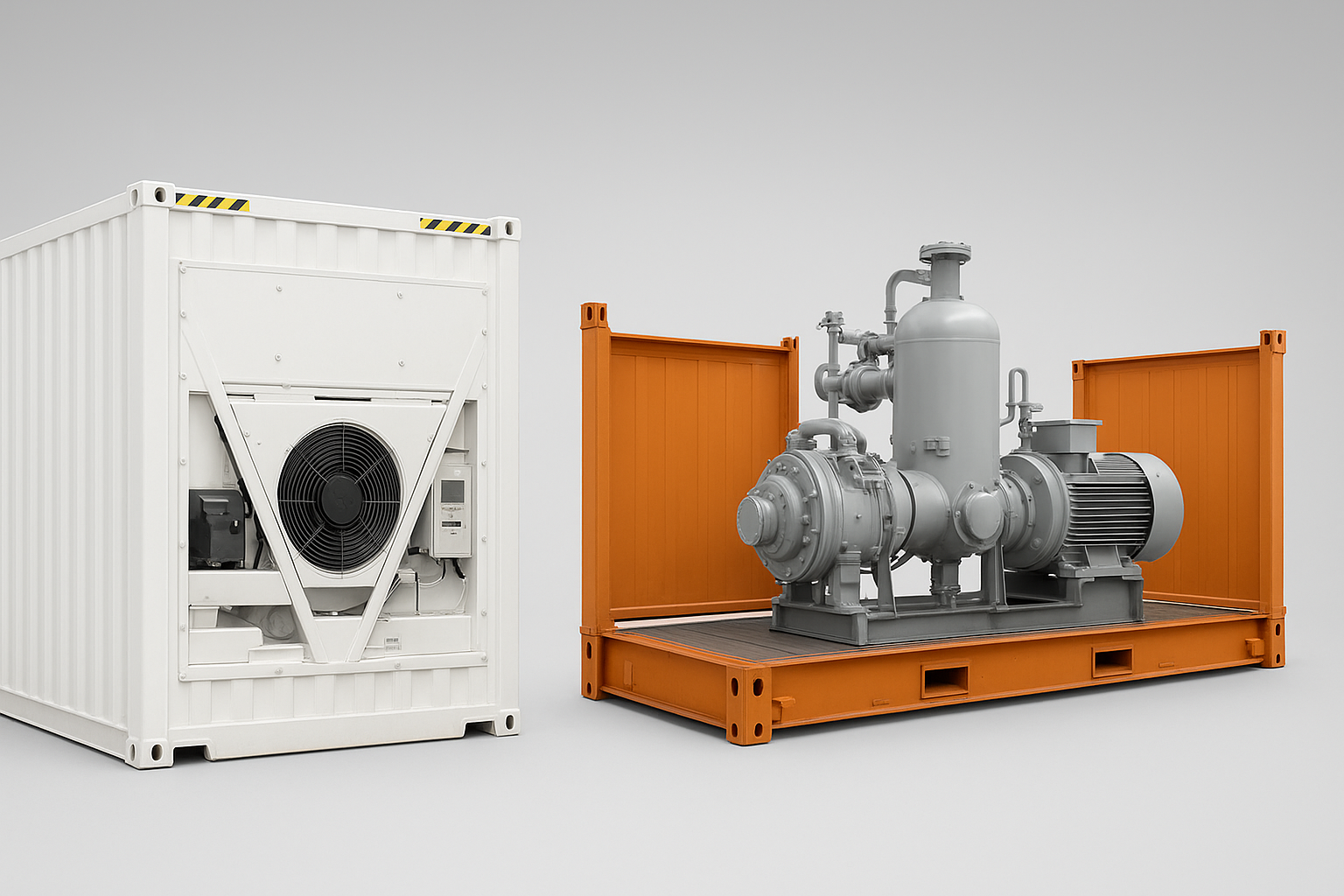
Specialized container types, like reefers and flat racks, handle cargo that standard boxes cannot.
How to Ship a Container in 5 Steps
Booking container freight does not need to be complicated. Above all, following a clear process helps shippers avoid delays and surprise fees. Here is the typical sequence:
- Request a rate quote: Share the origin, destination, weight, and commodity details with a broker or carrier so they can price the move accurately and quickly. See our freight shipping guide for tips on preparing accurate quote information and avoiding surprises.
- Choose the right container type and size: Match the box, whether standard, reefer, flat rack, or open top, to the cargo’s dimensions, weight, and handling requirements.
- Book with a qualified partner: Confirm the booking with a bonded, insured broker or carrier and review the rate confirmation carefully before the scheduled pickup date arrives.
- Prepare shipping documentation: Gather the bill of lading, packing list, and any customs paperwork required for either domestic or international movement of the container.
- Track the shipment to delivery: Monitor the container through GPS or carrier status updates using our container tracking guide, then confirm proof of delivery once the cargo reaches its final destination.
New carriers looking for freight opportunities can also register with Freight-Tec to access loads, Quick Pay options, and standard 28-day payment terms.
Common Mistakes to Avoid When Shipping Containers
Even experienced shippers run into avoidable problems. Specifically, these mistakes tend to cause the most delays and disputes:
- Overloading a container beyond its rated weight limit, which risks fines and structural damage.
- Choosing the wrong container type for temperature-sensitive or oversized cargo.
- Skipping proper documentation, which can hold a shipment at customs for days.
- Ignoring warning signs of fraud; reviewing common cargo theft red flags before booking can prevent stolen loads.
- Failing to vet a carrier’s insurance and bonding before handing over cargo.
In contrast, shippers who build in a documentation checklist and vet every partner tend to see far fewer claims and disputes over the course of a year.
Choosing a Reliable Container Shipping Partner
Because container freight involves multiple handoffs between ports, rail, and trucks, the broker or carrier managing the move matters as much as the container itself. Look for bonding, cargo insurance, and industry recognition before signing a rate agreement. Freight-Tec, for instance, is recognized as a top 100 freight broker by TIA and Inc. Magazine, holds TIA Performance Certified status, and is approved to haul sensitive U.S. Military freight following Homeland Security vetting. For guidance on vetting providers, read our how to choose a reliable freight broker guide for step-by-step checks.
Additionally, Freight-Tec is backed by Professional Errors and Omissions Insurance, a $100,000 broker bond, and a $100,000 Military Bond through SDDC, plus membership in NASTC’s “Best Broker” program reserved for the top 5% of brokers nationally. As a result, shippers gain extra claims protection while carriers benefit from a stringent qualification process and dedicated agent support. You can learn more about these services directly at freight-tec.com.

Proper documentation and secure loading are key steps before any container leaves the yard.
Frequently Asked Questions About Shipping Container Shipping
What is a shipping container?
A shipping container is a standardized steel box built to move cargo by ship, rail, and truck without unpacking the goods at each stop. It follows ISO dimensions so it fits cranes, chassis, and rail cars around the world.
How long does container shipping take?
Ocean container shipping typically takes 20 to 45 days depending on the origin port, destination, and number of transshipments. Domestic drayage and inland trucking usually add a few more days after the vessel arrives.
What sizes do shipping containers come in?
Standard shipping containers come in 20-foot, 40-foot, 40-foot high cube, and 45-foot lengths. Specialty sizes exist for refrigerated, open-top, and flat rack cargo.
How much does it cost to ship a shipping container overseas?
International container rates generally range from $2,000 to $8,000 or more depending on the trade lane, fuel surcharges, and seasonal demand. Domestic drayage moves are usually far less expensive, often between $150 and $600 per haul.
What is the difference between a 20-foot and 40-foot container?
A 20-foot container holds about 28 cubic meters and 20,000 pounds of cargo, while a 40-foot container roughly doubles that space. Shippers with lighter, bulkier freight often choose the larger box to lower the cost per unit.
Can I ship a used shipping container?
Yes, used containers are common in freight shipping as long as they pass a structural inspection for rust, dents, and door seals. Carriers and ports may reject a box that fails a cargo-worthiness check.
What is a reefer container used for?
A reefer container is a refrigerated box used to transport temperature-sensitive goods such as produce, pharmaceuticals, and frozen food. It plugs into a power source on the ship, rail car, or truck to maintain a set temperature.
How do I book container freight with a broker?
Most shippers request a rate quote, confirm container type and availability, then sign a rate confirmation before pickup. A licensed freight broker coordinates the carrier, tracking, and paperwork on the shipper’s behalf.
What documents are needed to ship a container internationally?
International container shipments typically require a bill of lading, commercial invoice, packing list, and customs entry paperwork. Certain commodities also need permits, certificates of origin, or hazmat declarations.
Why do container shipping rates fluctuate?
Container shipping rates move with fuel prices, port congestion, equipment shortages, and seasonal demand spikes. Trade lane imbalances, such as more containers leaving Asia than returning, also push prices higher during peak season.
What is a TEU in shipping?
TEU stands for twenty-foot equivalent unit, the standard measurement used to describe container capacity on ships and at ports. A 40-foot container counts as two TEUs.
How can I avoid cargo theft when shipping a container?
Shippers can reduce cargo theft risk by vetting carriers, using GPS tracking, and watching for red flags like last-minute rate undercutting or unverifiable insurance. Working with a bonded, TIA-certified broker adds another layer of screening.
What is drayage in container shipping?
Drayage is the short-distance trucking move of a container between a port, rail yard, or warehouse. It bridges the gap between ocean or rail transport and the final inland destination.
How do I choose a reliable freight broker for container shipping?
Look for a broker with proper bonding, cargo insurance, industry certifications, and a track record of on-time deliveries. Recognitions such as TIA Performance Certification or a top-100 broker ranking are strong signals of reliability.
Final Thoughts
Ultimately, a shipping container remains one of the simplest yet most powerful tools in global trade, moving everything from automotive parts to frozen produce across oceans, rail lines, and highways. As shown above, choosing the right container type, size, and shipping partner directly affects cost, transit time, and cargo safety. Therefore, before booking your next load, take time to compare container options, request current rates, and confirm the broker’s bonding and certifications. With the right planning, a shipping container can move your freight reliably from origin to final delivery, and resources like the Freight-Tec platform referenced throughout this guide can help simplify that process.